


Species Guide
The grouse of North America
Every huntable grouse on the continent, plus the ones you should know anyway. Each guide covers the bird, what it eats, where it lives, and how the season changes it.
Northwoods
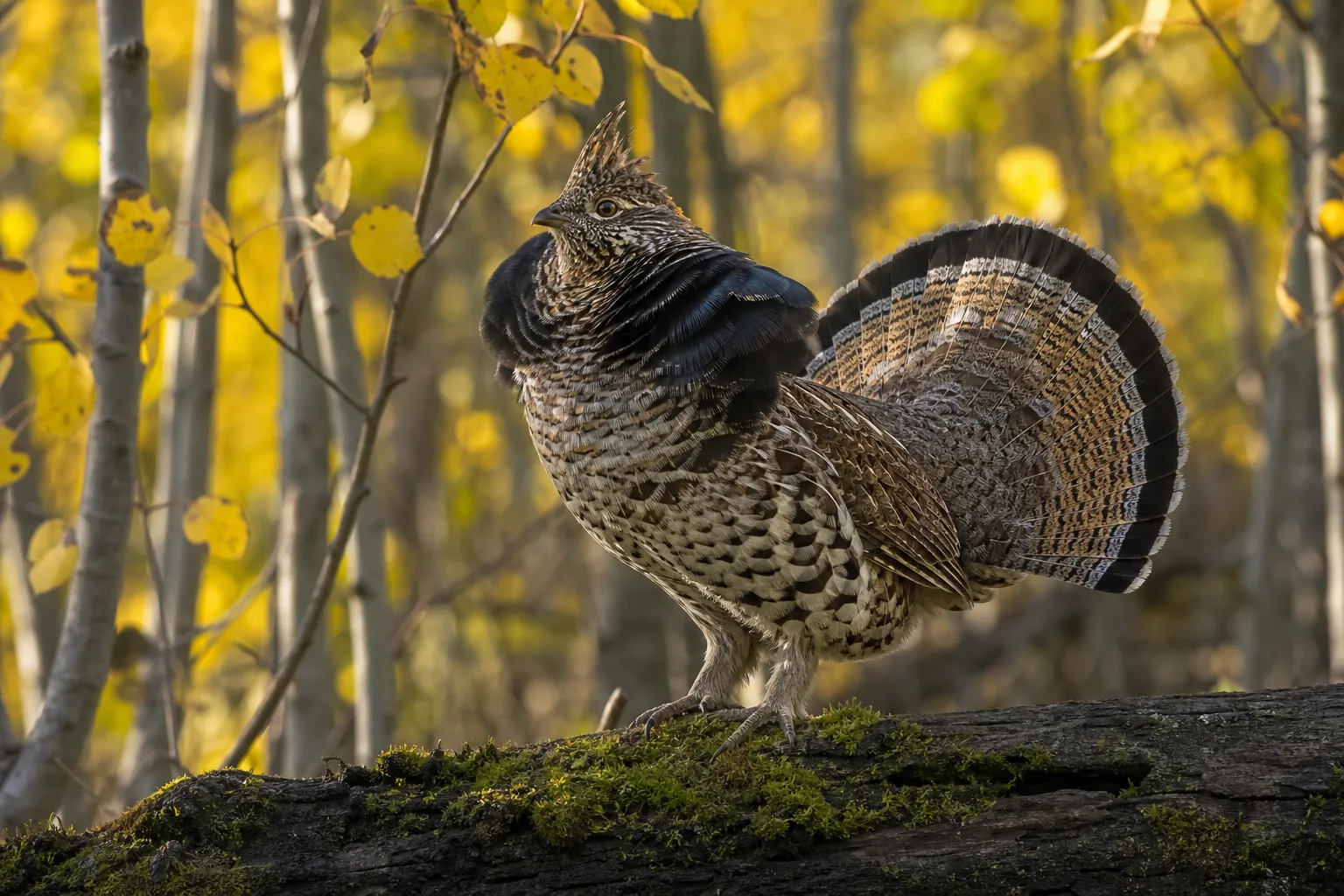
Ruffed Grouse
Bonasa umbellus
The thunder of the aspens
Mid-September into winter in the Big Three, check current regs
Read the field guide
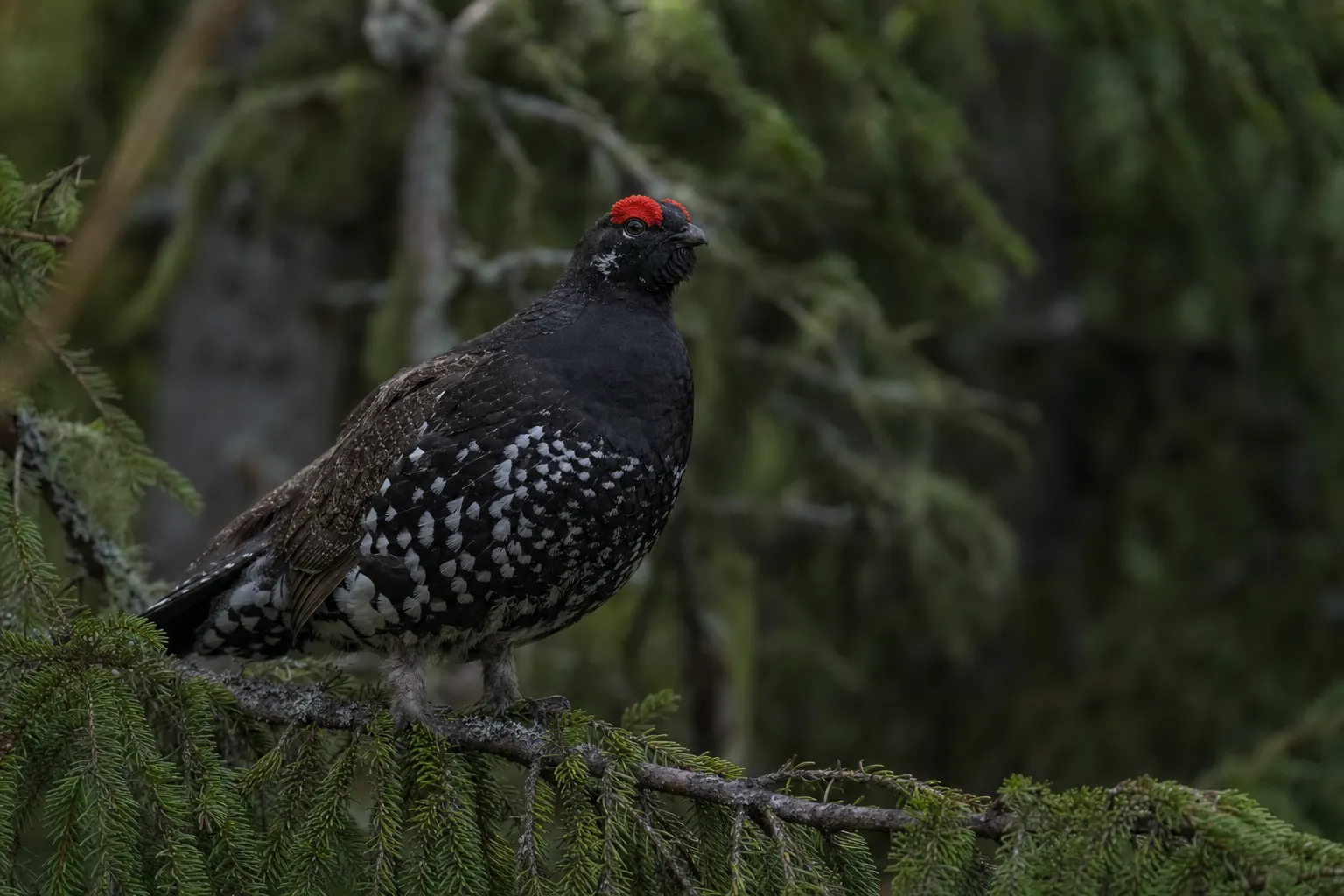
Spruce Grouse
Canachites canadensis
The fool hen of the black timber
Fall seasons in a handful of northern states, longest in Alaska, check current regs
Read the field guide
Prairie
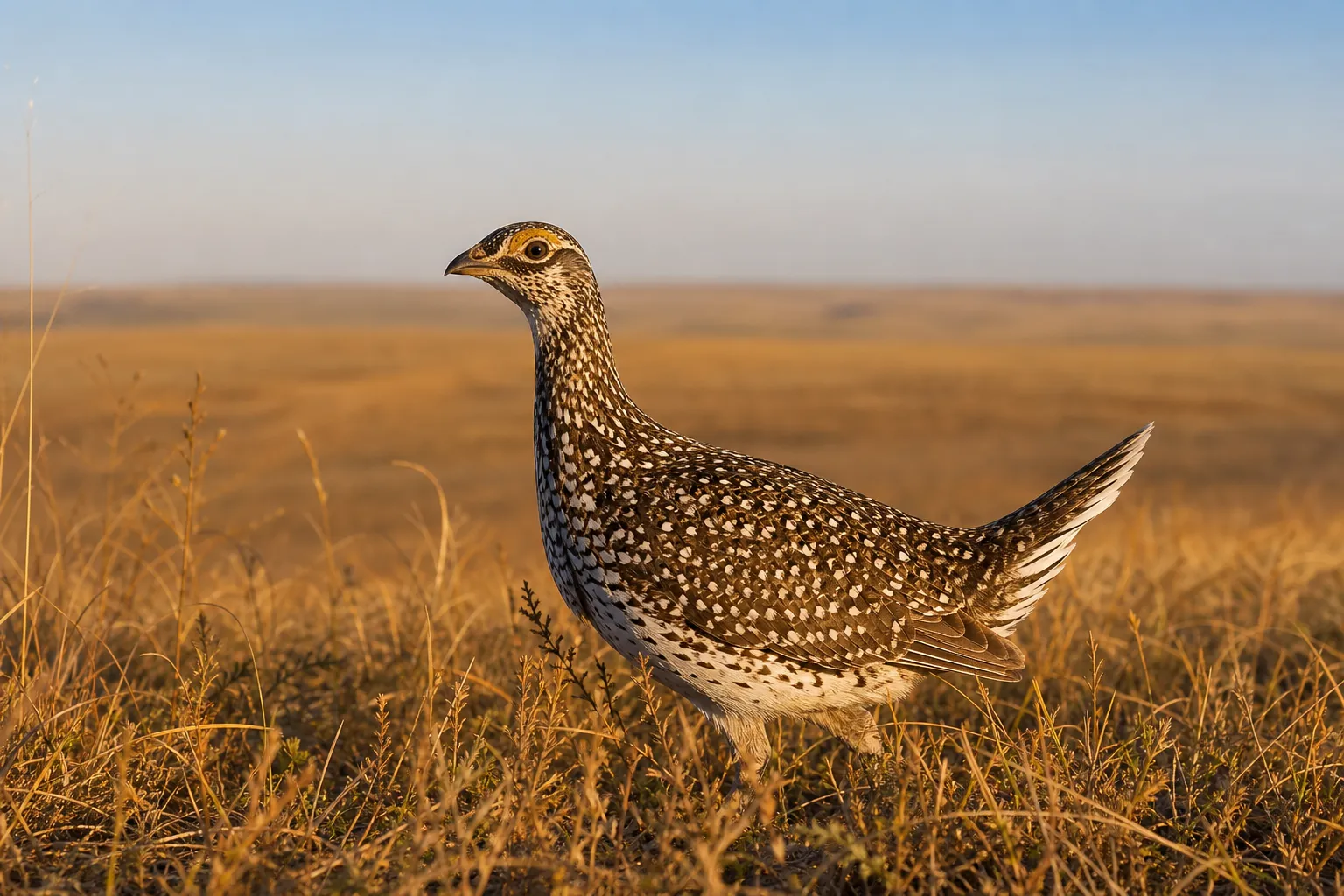
Sharp-tailed Grouse
Tympanuchus phasianellus
The dancer of the open grass
Mid-September into late fall across the Dakotas and Montana. Check current regs.
Read the field guide
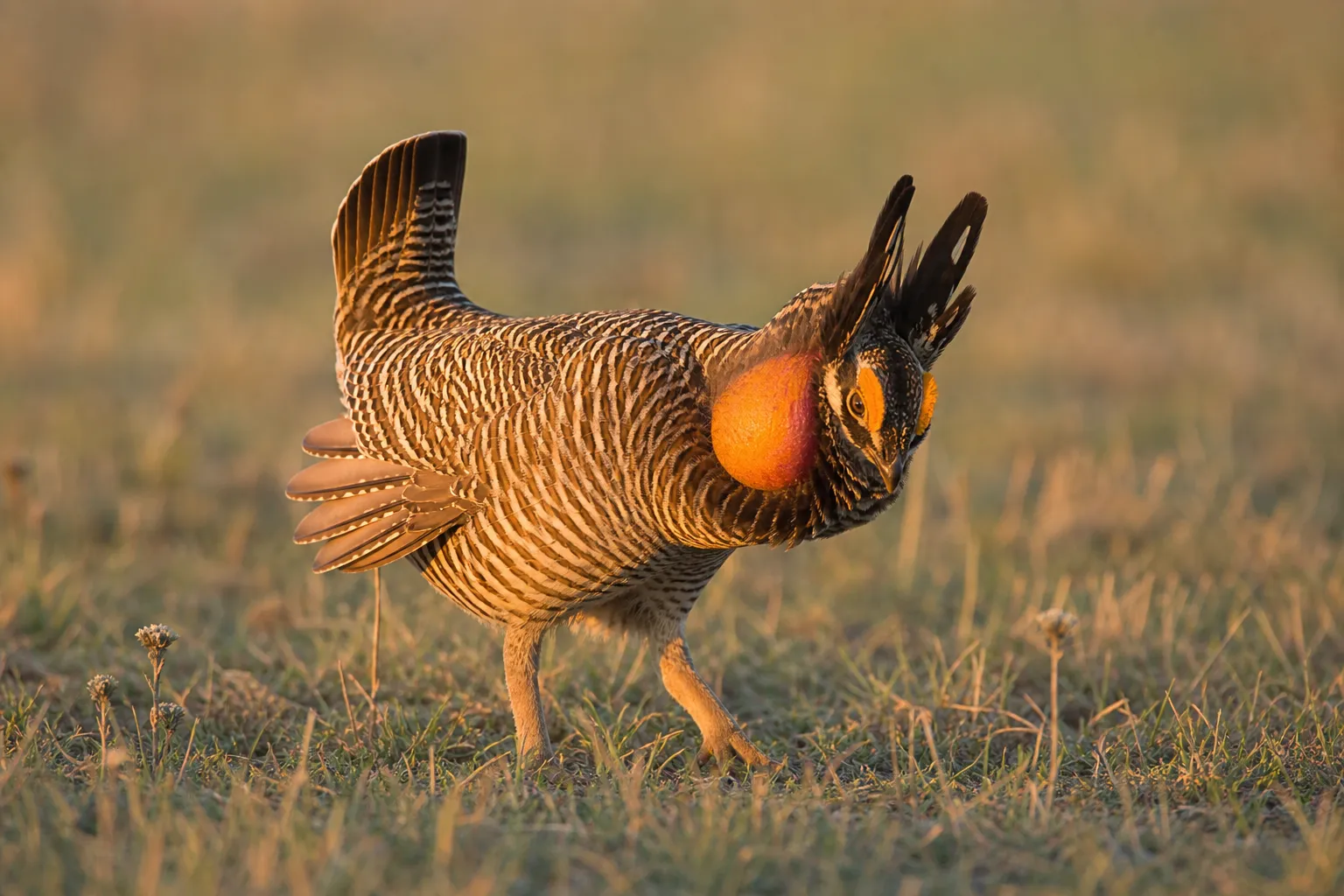
Greater Prairie Chicken
Tympanuchus cupido
The boom of the tallgrass
Fall seasons in Kansas, Nebraska, and South Dakota. Limited permits in Minnesota. Check current regs.
Read the field guide
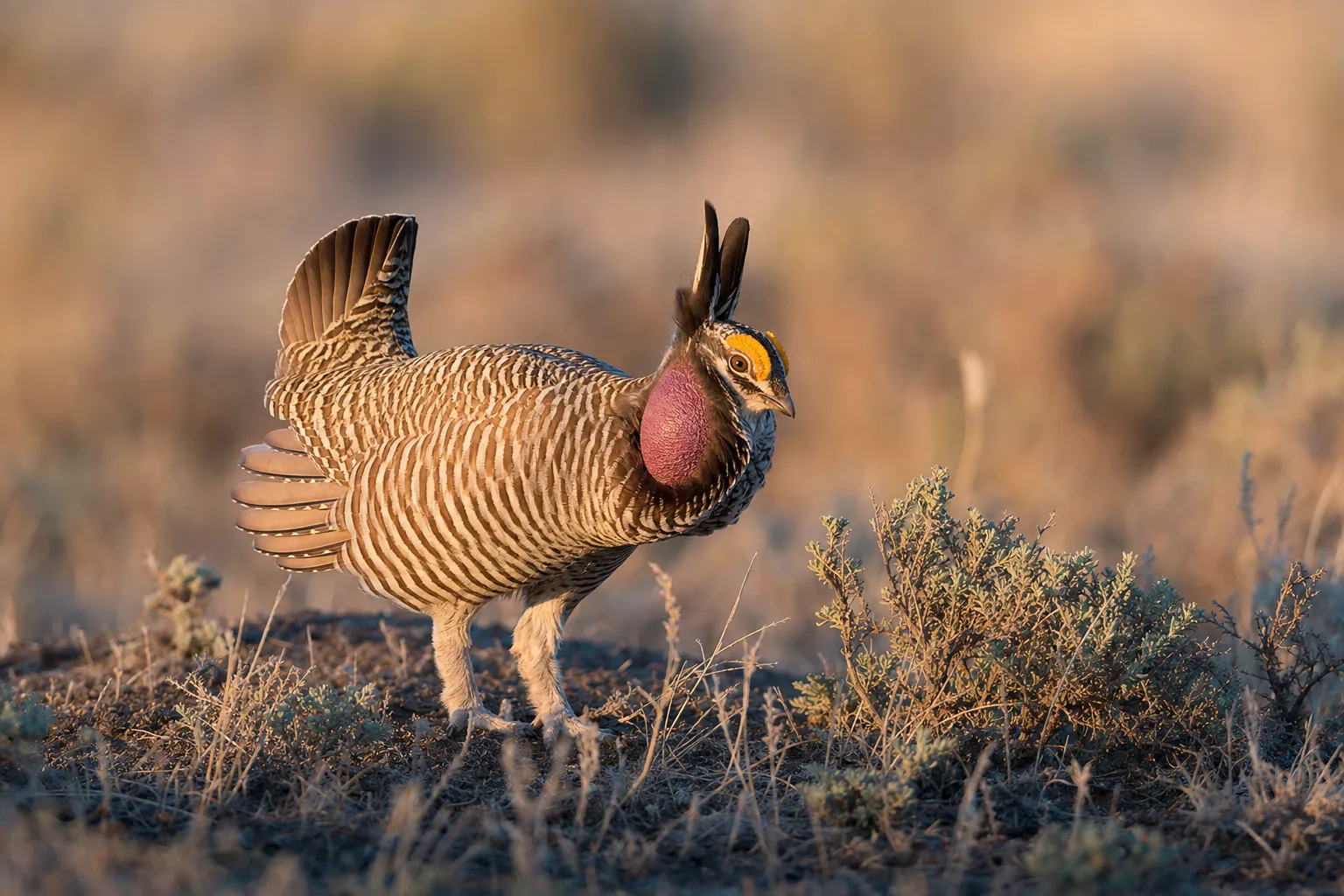
Lesser Prairie Chicken
Tympanuchus pallidicinctus
The southern plains dancer, off limits for now
Closed. Not currently huntable.
Read the field guide
Season closed
Rockies
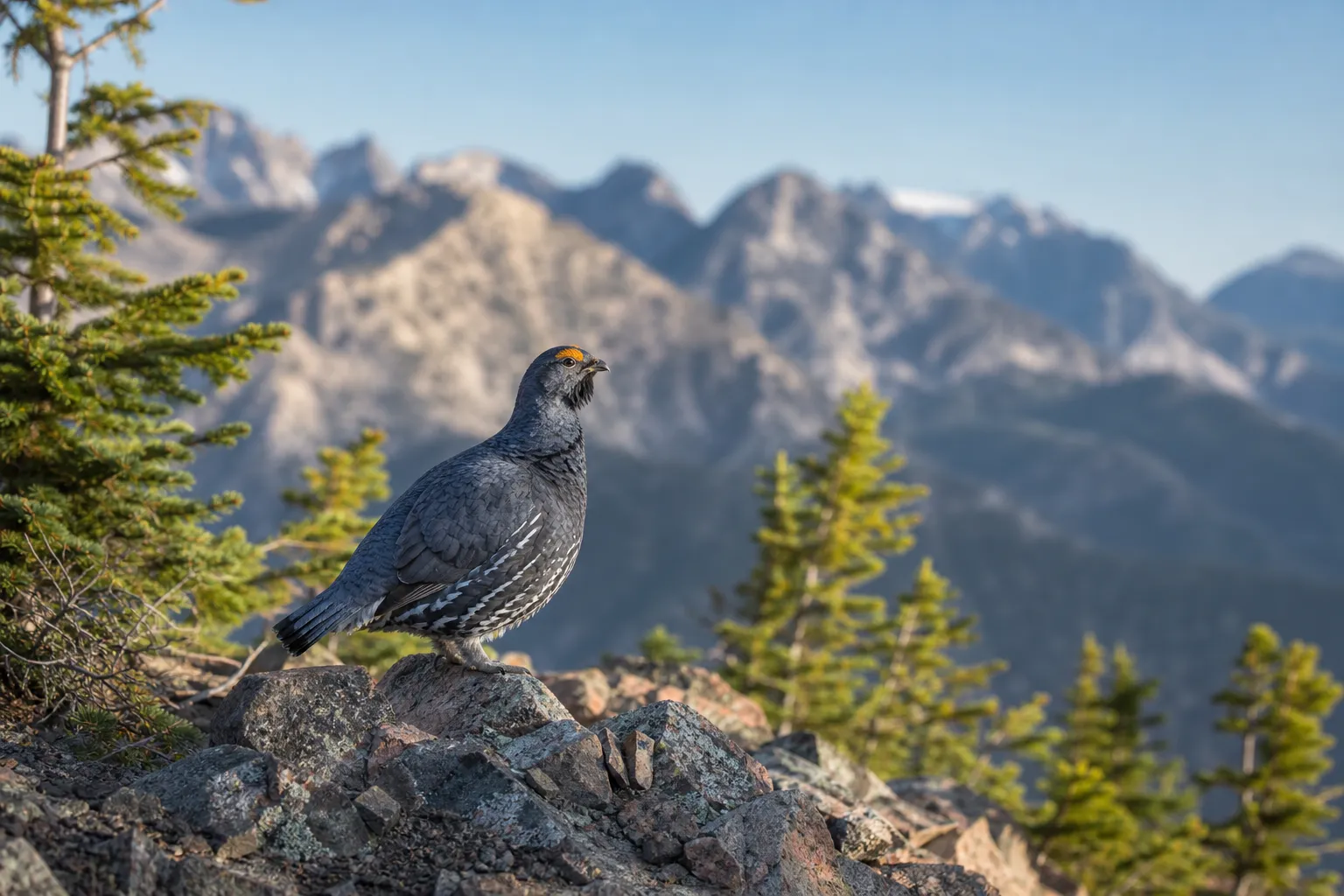
Dusky Grouse
Dendragapus obscurus
The blue grouse of the high ridges
September openers across the Rockies, running into fall, check current regs
Read the field guide
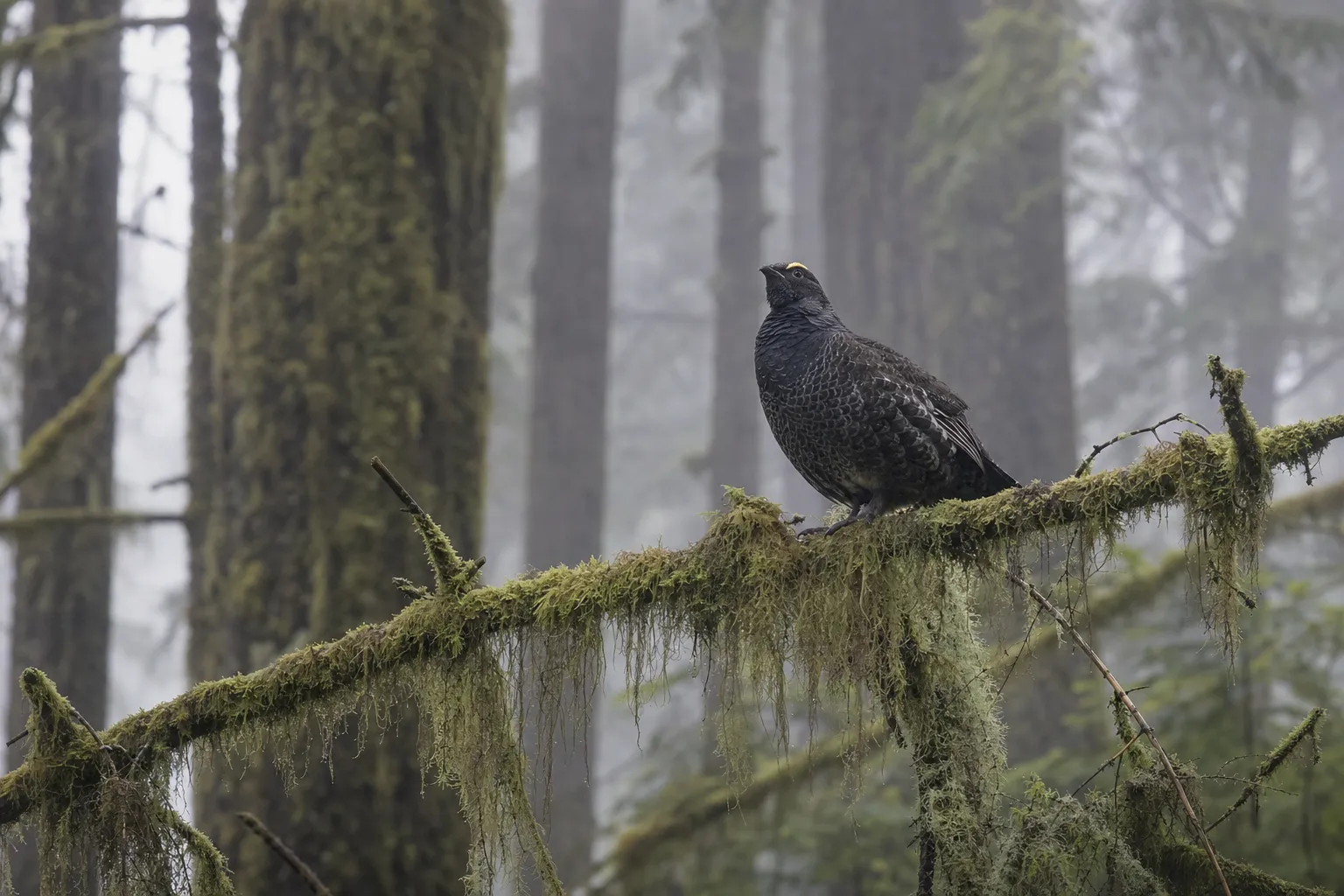
Sooty Grouse
Dendragapus fuliginosus
The hooter of the coastal timber
September openers along the coast and Cascades, varies by state, check current regs
Read the field guide
Sage Country
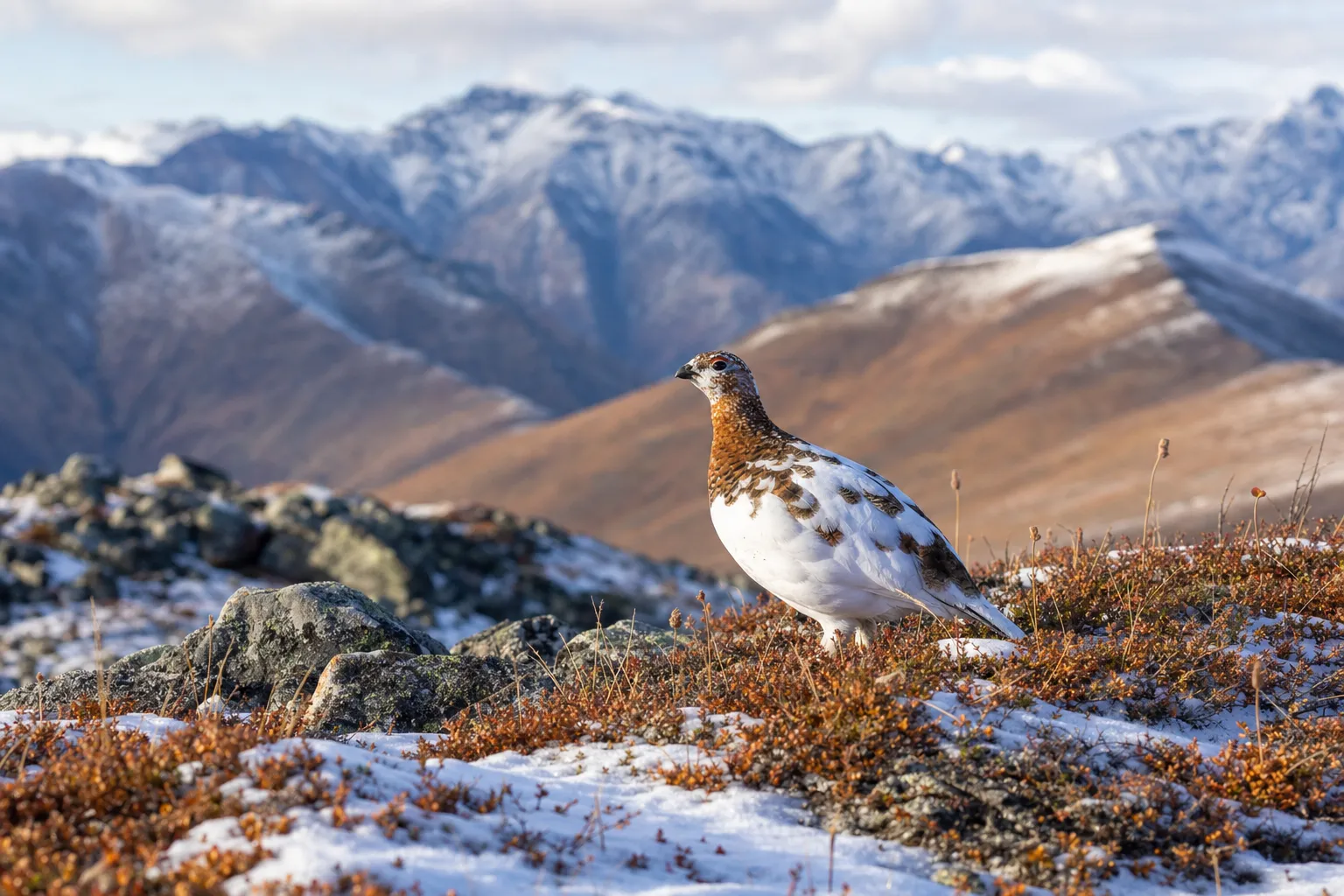
Alaska & Alpine
FAQ
Grouse questions, answered
What is a grouse?
A grouse is a chicken-like upland game bird in the family Phasianidae, built for life on the ground in forests, prairies, and tundra. North America holds about a dozen species, including the ruffed grouse of the eastern and northern forests, the sharp-tailed grouse of the prairies, and the ptarmigan of the alpine tundra. Most are legal game birds with fall hunting seasons.
What does a grouse look like?
A grouse looks like a compact, heavy-bodied wild chicken with mottled brown, gray, or black feathers that blend into cover. Most species weigh between one and seven pounds, with feathered legs, a short curved bill, and a fan-shaped tail. Plumage varies by species and region, from the barred brown of a ruffed grouse to the pure winter white of a ptarmigan.
Can grouse fly?
Yes, grouse fly hard and fast in short bursts, though they spend most of their lives on the ground. A flushing grouse explodes from cover with a thunder of wingbeats and can hit 20 miles per hour or more within seconds. They are sprinters, not travelers, and usually fly less than a few hundred yards before setting back down.
How many grouse species live in North America?
North America has roughly a dozen grouse species, and hunters group them by the country they live in. The forest birds are ruffed, spruce, dusky, and sooty grouse. The prairie birds are sharp-tailed grouse and the prairie-chickens. Sage country holds the greater sage-grouse, and the alpine and arctic country holds three ptarmigan species.
What is the most hunted grouse in America?
The ruffed grouse is the most hunted grouse in America by a wide margin. It lives across more than 30 states, and Minnesota, Wisconsin, and Michigan alone account for hundreds of thousands of harvested birds in a good year of the population cycle. Its explosive flush and thick-cover habits make it the classic upland challenge.